What Is the Best Way to Reinforce a Handle Hole on a Paper Bag?
As a 12-year packaging and reuse enthusiast, I’ve handled and transformed countless paper bags, turning them into reliable storage solutions and charming gift carriers. The humble paper bag, much like a book in a tiny library, deserves careful handling—especially around its handle holes where stress and wear tend to strike first. Reinforcing these holes is the secret to making reclaimed packaging trustworthy, turning what feels like a delicate crate of vintage paperbacks into a robust shelf-worthy piece.
Why Reinforce Paper Bag Handle Holes?
Paper bags often come with thin walls, and their handle holes are stress points that tear easily under load. If you’ve ever struggled with a flimsy floral wire handle snapping or a ragged hole that unravels after an enthusiastic grip, you’re not alone. Proper reinforcement not only extends the functional life of a bag but also makes carrying heavier contents—up to about the weight of a small crate of paperbacks—safe and reliable.
The Challenges of Reinforcing Paper Bag Handles
- Paper’s inherent fragility under tension and friction.
- Maintaining aesthetic appeal while increasing durability.
- The need for clean, precise modifications without tearing or stress concentration.
- Choosing appropriate materials and tools to match your load and reuse expectations.
Key Reinforcement Techniques: Canvas Tape, Cardboard Sandwich, and PVA Edge Hardening
In my experience, layering reinforcements harnesses the strengths of each method while mitigating the weaknesses of working with weak materials like paper bags. Here’s the breakdown:
Canvas Tape (25 mm Wide)
Canvas tape, ideally 25 mm wide, acts as a tough, flexible binder around the paper hole. It distributes the pulling force over a larger area, preventing localized tearing. Canvas tape has a rough, fibrous texture that grips well onto paper fibers, reinforcing edges and providing a semi-rigid "collar" around the hole.
Cardboard Sandwich
A cardboard sandwich involves layering thin sheets of cardboard on either side of the bag’s handle hole. Think of it as a book’s reinforced binding—stiff and structured. Cardboard with a thickness of about 2–3 mm chosen for this purpose should not be too thick to distort the bag’s flatness but enough to resist deformation under load.
PVA Edge Hardening
PVA glue (polyvinyl acetate) edge hardening stabilizes the paper fibers by making edges more water- and tear-resistant. Coating the edges of the handle hole and cardboard sandwich with a thin layer of PVA glue helps prevent fraying and softens the stress-concentration points commonly seen in unreinforced paper.
Tools for Reinforcing Handle Holes
Using the right tools greatly affects the quality and durability of your reinforcement. Two must-have tools in your arsenal are:
1. Parallel-Action Pliers
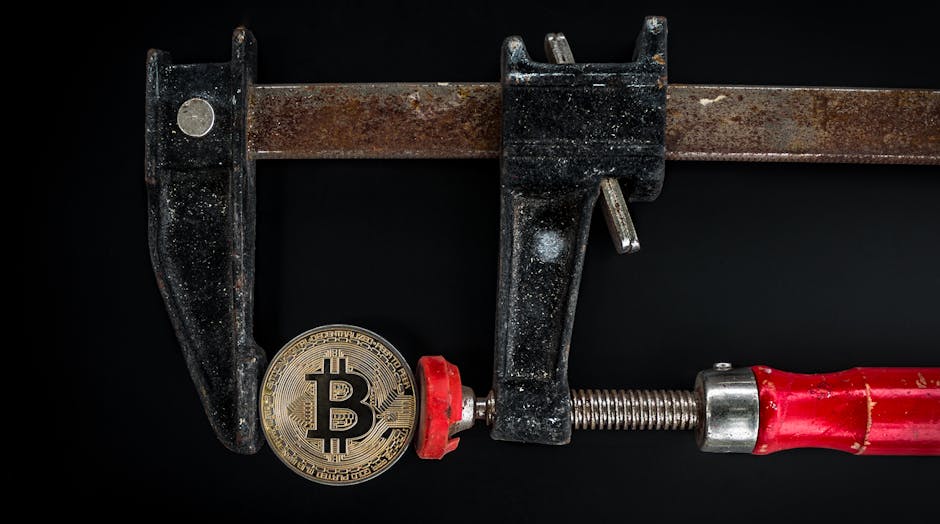
For folding, clamping, and compressing layered materials like canvas tape and cardboard sandwich, parallel-action pliers are indispensable. Unlike regular pliers, which pivot and cause uneven pressure and misalignment, parallel-action pliers maintain jaws parallel, enabling even force distribution and cleaner bends. Imagine trying to compress book spine layers with tongs versus a press—this tool acts like the bookbinder’s press for your bag.
2. Side Cutters
Side cutters allow you to make safe, precise cuts on wires or tape edges near the reinforced hole. Cutting floral wire for handles with dull or inappropriate scissors often results in jagged edges and wire fractures, increasing failure risk. Side cutters cleanly nip wires, and when trimming canvas tape or cardboard edges, they avoid ragged tears.
Step-by-Step Guide: Reinforcing a Handle Hole on a Paper Bag
- Inspect Your Bag and Materials: Check the thickness of your paper bag and decide if a single method or a combination (canvas tape + cardboard sandwich + PVA) is needed based on expected load.
- Cut Cardboard Pieces: Cut two cardboard pieces just slightly larger (about +1 mm) than the handle hole diameter and shape. This acts as a sandwich shell around the hole's perimeter for structural support.
- Apply PVA Glue: Lightly coat the edges of the handle hole on the bag and the inner edges of cardboard pieces. Allow the PVA to partially dry until tacky. This primes the fibers for better adhesion without saturating and weakening them.
- Assemble Cardboard Sandwich: Carefully align and press cardboard pieces on either side of the handle hole. Use parallel-action pliers to clamp the cardboard assembly tightly without crushing the paper. Allow drying fully (at least 2 hours).
- Apply Canvas Tape: Wrap a 25 mm canvas tape strip around the hole area—including overlapping onto cardboard surfaces—to bind and reinforce. Press firmly with pliers to ensure adhesion, trimming edges with side cutters precisely to prevent loose flaps.
- Edge Hardening Final Coat: Once assembled, apply a thin, final layer of PVA along the edges of the tape and bag hole. This seals raw edges and enhances durability.
- Double-Check Hole Cleanliness: Using a sharp punch or carefully drilled hole ensures holes are neat with no ragged fibers that can lead to tears. If drilling, prep reinforcement first to avoid propagation of cracks.
- Insert and Secure Handles: Use wire handles with appropriate gauge (18–20 gauge recommended) for load capacity. Make clean bends using parallel-action pliers and trim ends with side cutters. Avoid floral wire thinner than 22 gauge as it tends to bend prematurely.
Wire Gauge and Load Capacity: Matching Components for Trustworthy Reuse
Choosing the right wire gauge for handles balances flexibility, strength, and resistance to fatigue under repeated stress. Here’s a packagingrevolution quick reference:
Wire Gauge Diameter (inches/mm) Typical Load Capacity Best Use 22 ga 0.025 in / 0.64 mm light loads (~1–2 kg) small gift bags or very light reuse 20 ga 0.032 in / 0.81 mm moderate loads (~3–5 kg) medium-weight packages 18 ga 0.040 in / 1.02 mm heavy loads (~5–8 kg) large bags, heavier reuseUsing wire gauges below 20 gauge tends to sacrifice durability, while iron or steel parallel-action pliers effortlessly handle thicker gauge wire without deformation or tool damage.
Common Pitfalls and How to Avoid Them
- Flimsy Floral Wire Handles: Avoid wire gauges under 22; they don’t distribute load well and snap easily.
- Ragged Drill Holes: Always reinforce with cardboard layers and PVA before drilling to prevent tears spreading.
- Lazy Anchoring: Don’t just glue the tape or cardboard once—use parallel-action pliers to clamp everything firmly for even bonding; otherwise, your handle can drop suddenly.
- Ignoring Tape Width: Canvas tape less than 20 mm becomes too narrow. 25 mm hits the perfect spot balancing aesthetics, strength, and workability.
Final Thoughts: Treat Your Reclaimed Paper Bags Like Precious Volumes
Reinforcing handle holes transforms a fragile paper bag from a brittle paperback to a sturdy volume that withstands multiple readers—er, uses. With the right layering of canvas tape 25 mm, a cardboard sandwich, and PVA edge hardening, plus trusty tools like parallel-action pliers and side cutters, you guarantee a reinforced handle hole that’s both beautiful and trustworthy.
So next time you pick up that seemingly delicate paper bag, remember: a little patience, the right materials, and finesse in tooling can unlock years of reuse, effectively turning your bag into a tiny, reliable library for your belongings.