Should I Hire an Electrician for a DIY Mini Split Installation?
Mini split systems have become increasingly popular for heating and cooling in garages, offices, and bonus rooms. Many homeowners consider a DIY route to save money, are quick connect mini splits good especially with brands like FineHomeKeeping, Zone Air, and MRCOOL offering user-friendly units featuring quick connect valves and pre-charged line sets. While these features simplify installation, an important question remains: Should you hire an electrician for the electrical work?
Understanding Mini Split Installation Basics
Before diving into electrical details, let’s quickly break down what a mini split installation entails:
- Mounting the indoor air handler and outdoor condenser.
- Connecting refrigerant lines using quick connect valves and pre-charged line sets (no vacuum pump or manifold gauges required with some models).
- Running electrical wiring to power the outdoor unit and connecting controls.
Thanks to innovations, DIY installers can avoid handling refrigerant with these pre-charged line sets and quick connects, a huge boon for novices. However, the electrical side is less straightforward and demands careful attention.

Why Electrical Work is Different from Refrigerant Work
Marketing often screams “no professional needed” by promoting “tool-less” or “no vacuum pump required” systems. While true for the refrigerant portion, electrical wiring is a different story:
- Mini splits usually require a dedicated circuit to avoid overloads and comply with local codes.
- Many units need 230V wiring, which is not always available in standard home outlets.
- Incorrect wiring or breaker sizing risks damage to the unit and safety hazards like electrical fires.
Before selecting brands or models, always check what voltage is available in your installation location. This question is often overlooked but is key to selecting the right system and wiring approach.
115V vs 230V Wiring: What You Need to Know
Mini splits come in versions designed for either 115V (standard household voltage) or 230V circuits. Here is the tradeoff:
Feature 115V Units 230V Units Electrical Complexity Less complex wiring, can use most standard outlets Requires dedicated 230V circuit, may need electrician Power Capacity Lower max capacity (usually under 18,000 BTU) Higher capacity units available (up to 36,000 BTU or more) Installation Cost Lower electrical setup cost if 115V outlet exists Higher due to specialized wiring and breaker installation Compliance Must confirm local codes allow 115V for minis Usually preferred/recommended by codes for larger unitsFor smaller rooms, 115V mini splits from Zone Air may work fine, but if upgrading or heating a colder space, 230V systems like those from MRCOOL are often better suited.
Cold-Weather Heating Ratings Matter
If you live in a region with harsh winters, comparing cold-weather performance is critical. Mini splits differ significantly in their rated operating temperatures:
- -13°F ratings: Many standard DIY units handle this well, good for moderate cold climates.
- -22°F ratings: Found on higher-end models, including some from FineHomeKeeping, ideal for very cold climates.
Pick a mini split rated for colder temps than you expect to maintain efficient heating without frost or defrost issues.
DIY Limits and When to Call an Electrician
If you are handy and have experience running wiring, you may feel confident wiring a mini split yourself. But consider these points carefully:
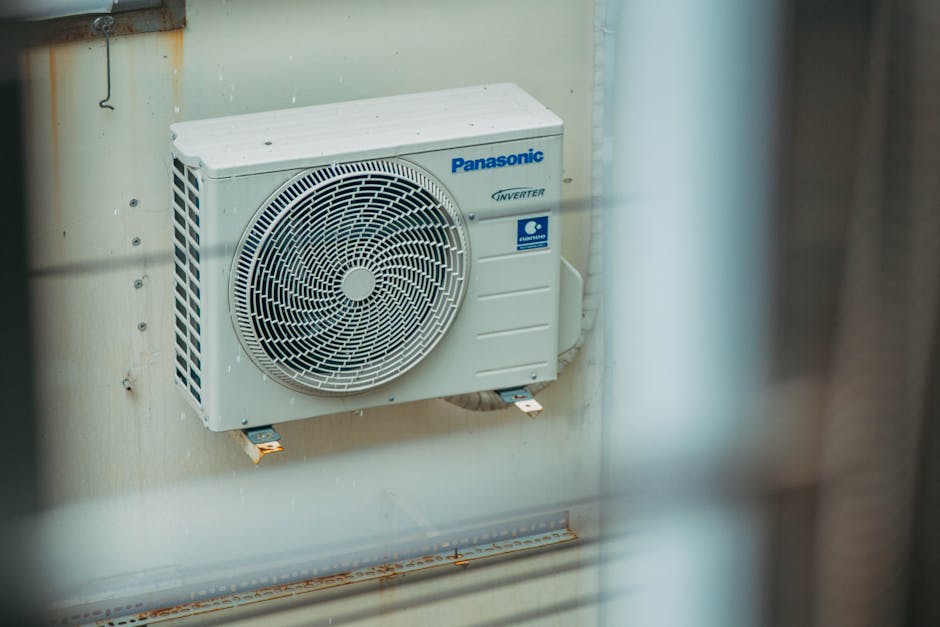
- Dedicated Circuit Requirement: Most minis require a dedicated circuit breaker sized to unit specifications. This often means upgrading your electrical panel or running new wiring to comply with local codes.
- 230V Wiring Practices: Installing 230V wiring involves working with higher voltages than standard outlets, posing increased safety risks if done incorrectly.
- Permit and Code Compliance: Electrical work is usually subject to inspection and must follow local codes. A licensed electrician can ensure this is handled properly.
- Warranty Considerations: Improper electrical installation can void warranties on units from manufacturers like FineHomeKeeping, Zone Air, or MRCOOL.
You know what's funny? my personal checklist always includes verifying:
- Existing voltage availability
- Breaker panel capacity
- Whether local codes require permits
- Tools needed for electrical work (voltage tester, wire stripper, etc.)
If you do not have experience with wiring, it’s wise to consult or hire a licensed electrician. This will save time, potential rework, and provides peace of mind for safety and compliance.
The Quick Connect & Pre-Charged Line Set Advantage
Brands like MRCOOL popularized the quick connect valves and pre-charged line sets that eliminate the need for vacuum pumps and manifold gauges. This reduces barriers for DIY installers and keeps legal issues at bay since handling refrigerants usually requires certifications.
That said, these innovations only apply to the refrigerant side of installation. The electrical side remains non-negotiable regarding codes and safety.
Summary: When to DIY and When to Hire an Electrician
Scenario DIY Electrical Work Hire Electrician Home has existing proper voltage and breakerExperience with electrical wiring and local codes Okay to DIY if confident and safe Still consider electrician for inspection Requires new 230V wiring or circuit upgradesUnfamiliar with electrical codes or panel work Not recommended Must hire electrician for safety and compliance 115V mini split in small spaceLocal codes allow DIY wiring with permit Can consider DIY if within comfort zone Better for peace of mind Older home with limited panel space or ungrounded wiring Unsafe to DIY Essential to bring in electricianFinal Thoughts
DIY mini split installation is easier than ever thanks to quick connect valves and pre-charged line sets from companies like FineHomeKeeping, Zone Air, and MRCOOL. However, electrical work remains a vital and often complex component.
Always verify voltage availability first, then review your local codes. If you need 230V wiring or a dedicated circuit upgrade, consider hiring an electrician for safe, code-compliant installation. Don’t gamble with improper wiring — it’s a small expense for safety and lasting performance.
For more DIY tips and home system reviews, stay tuned to trusted sources and always double-check your tools and permits before starting.