Mitsubishi vs Daikin vs DIY Brands: When Is Pro Install Worth It?
Mini splits have revolutionized home heating mini split efficiency vs central air and cooling with their energy efficiency, zoned comfort, and compact design. But when shopping for a mini split, the wide spectrum of brands—from premium names like Mitsubishi and Daikin to emerging DIY-friendly brands such as Zone Air, MRCOOL, and Pioneer—can be overwhelming. The big question many homeowners ask is: when is a professional installation truly worth the investment? In this comprehensive guide, we'll break down what sets these brands apart, the nuances of DIY versus pro install mini splits, and how modern tools like pre-charged line sets and quick connect fittings mini split line hide cover impact your install day.
Understanding the Mini Split Landscape
Splitting the brands into two broad groups helps clarify expectations:
- Pro install mini splits: Typically brands like Mitsubishi and Daikin, considered industry leaders. These units require hard wiring and certified installers to meet warranty and safety standards.
- DIY-friendly mini splits: Brands like Zone Air, MRCOOL, and Pioneer emphasize homeowner installation with 115V plug-in units, quick connect fittings, and pre-charged line sets to simplify the process.
Mitsubishi Mini Split: The Gold Standard of Pro Install
Mitsubishi has long been synonymous with premium mini split systems. Their products feature cutting-edge inverter technology, excellent efficiency ratings (SEER2 often 24+), and quiet indoor blowers. However, there are a few key factors that make Mitsubishi mini splits pro install-only units:

- 230V hard wiring: Unlike plug-in models, Mitsubishi units are hardwired into your home’s electrical panel, ensuring stable, high-power operation.
- Line set evacuation required: Installation requires the HVAC professional to vacuum the refrigerant lines to remove air and moisture before refrigerant is released into the system.
- Complex controls and zoning: Professional setup ensures your thermostat and zoning systems are optimized for performance and efficiency.
- Warranty implications: Improper installation by non-certified installers can void warranties, which can be costly.
When you choose a Mitsubishi mini split, you’re paying for an exceptional product plus the expertise and quality assurance that come with professional installation. This is an ideal choice if you want the absolute best in efficiency and long-term reliability, and you don’t mind the upfront install cost.
Daikin Mini Split: Pro Install but with a Competitive Edge
Daikin is another major global HVAC manufacturer with a strong presence in the mini split market. Their systems combine high efficiency with flexible design and competitive pricing. Like Mitsubishi, Daikin mini splits are also pro install-only for many models:
- 230V hard wiring: Similar to Mitsubishi, Daikin typically requires a dedicated circuit for operation.
- Line set evacuation and brazing: Professional installers evacuate the lines and brazing ensures airtight, leak-free connections.
- Advanced diagnostics: Certified technicians have the tools to troubleshoot and configure Daikin units properly.
Daikin’s offering can be a solid pro install choice if you want the advanced features and are looking for a brand with global support and parts availability. Their products sometimes come with more modular controls, but the installation complexity remains high.
DIY Brands: Zone Air, MRCOOL, Pioneer—the Rise of the “True DIY” Mini Splits
For homeowners with some handy skills and the will to save on installation costs, DIY brands like Zone Air, MRCOOL, and Pioneer are shifting the landscape. These brands are engineered to simplify what used to be specialized HVAC procedures, making whole-home heating and cooling more accessible.
Key Features of DIY Mini Splits
- 115V plug-in convenience: Many DIY mini split models operate on standard household voltage and plug into existing outlets, eliminating the need for complex electrical work.
- Pre-charged line sets: A game-changer for homeowner installs, pre-charged line sets come with refrigerant already inside, so no evacuation or handling of refrigerants is necessary on site.
- Quick connect fittings: These fittings snap securely together without specialized brazing or vacuuming equipment, drastically reducing install time and chance of leaks.
- Modular elements: Indoor heads and outdoor compressors are designed with easy mounting brackets and clear wiring diagrams.
These features allow a motivated DIYer to complete their mini split installation, sometimes in a weekend, without calling an HVAC technician. Because of the simplicity engineered into the product, warranty support and customer service for these brands often cater directly to homeowners.
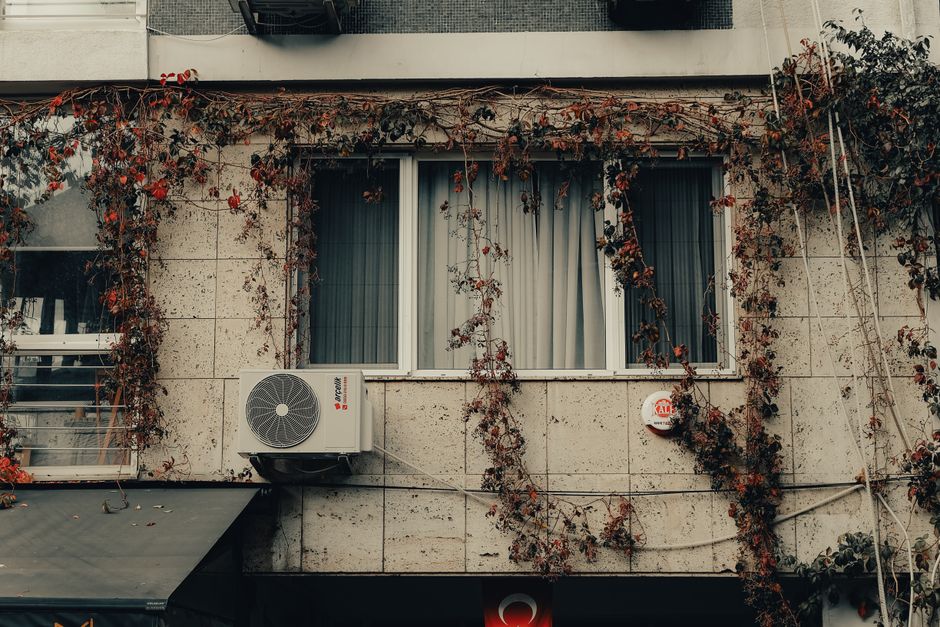
115V Plug-in vs 230V Hard Wiring: What Homeowners Need to Know
This often-overlooked element plays a huge role in the choice between pro install and DIY mini splits. Here’s what differentiates them:
Feature 115V Plug-in (DIY) 230V Hard Wiring (Pro Install) Electrical Connection Standard outlet plug; no electrician required Dedicated circuit; electrician or pro installer required Power Supply Lower power, generally smaller systems Higher power capacity; supports larger systems Installation Complexity Simpler, designed for homeowner ease Complex; must comply with code and safety standards Cost Consideration Lower upfront install cost Higher upfront cost due to electrician and HVAC tech feesIn short, if you want a smaller unit you can plug in yourself and have some basic handyman skills, the plug-and-play DIY models are your best bet. But for full-size, whole-home systems with maximum performance, hard wiring is essential—and that requires a pro install.
Pre-Charged Line Sets and Quick Connect Fittings: Revolutionizing Homeowner Installation
Two standout innovations make DIY mini splits more viable than ever:
Pre-Charged Line Sets
Traditionally, the refrigerant lines between the indoor and outdoor units are installed first and then evacuated of air and moisture before the refrigerant is added. This requires specialized gauges and vacuum pumps. Pre-charged line sets come factory-filled with refrigerant, eliminating the need to handle refrigerant on site. This is a huge safety and time saver.
Quick Connect Fittings
Standard mini splits demand brazing copper pipes, a skill and equipment few homeowners have. Quick connect fittings are designed to connect the indoor unit to the pre-charged line set tightly and securely with just hand tools. This drastically simplifies installation and reduces risks of refrigerant leaks.
Brands like MRCOOL actively use these features to market easy-to-install mini splits aimed at the DIY market.
Install Time Expectations and Workflow for Homeowners
Pro Install Mini Splits (Mitsubishi & Daikin):
- Professional HVAC technician reviews site and electrical setup.
- Hard wiring 230V electrical circuit installed by electrician.
- Indoor and outdoor units mounted; line sets brazed together and evacuated.
- System filled with refrigerant and tested for leaks.
- Controls configured for zones and preferences; full system startup diagnostics.
- Total install time: 6-12+ hours depending on complexity.
DIY Mini Splits (Zone Air, MRCOOL, Pioneer):
- Review manufacturer’s clear instructions and site measurements.
- Mount indoor unit with supplied brackets.
- Connect indoor unit to pre-charged line set using quick connect fittings.
- Mount outdoor compressor near grounded outlet and plug into 115V socket.
- Power on and run basic setup and thermostat syncing.
- Total install time: 3-6 hours for an average homeowner.
The streamlined process makes DIY mini splits highly attractive for add-on rooms, garages, or small apartments, whereas pro install mini splits are better for major home HVAC upgrades requiring reliability and compliance.
Summary: When Is Pro Install Worth It?
Use the following guidelines to decide if a pro install mini split from brands like Mitsubishi or Daikin is justified, or if a DIY brand can deliver what you need:
- Choose pro install if:
- You’re installing a whole-home system or multiple zones.
- Long-term warranty and system reliability are critical.
- 230V electrical work is needed and you want code-compliant professional wiring.
- You prefer turnkey service to avoid any installation mistakes.
- Choose DIY if:
- You’re comfortable with basic home improvement tasks and tools.
- You need a smaller single-zone system or supplemental cooling/heating.
- You want to avoid the higher installation costs of hard wiring and vacuuming.
- You favor brands like MRCOOL, Zone Air, or Pioneer that include pre-charged line sets and quick connect fittings designed for easy installs.
Final Thoughts
Whether you go with a trusted Mitsubishi mini split, opt for a versatile Daikin mini split, or try a DIY brand like MRCOOL, Zone Air, or Pioneer, understanding the real-world implications of plug-in convenience, electrical requirements, and installation complexity is crucial. The rise of pre-charged line sets and quick connect fittings has democratized mini splits, making them accessible for skilled homeowners—but the value of professional installation remains for those seeking ultimate performance, peace of mind, and compliance.
If you’re considering making the switch to a mini split system, weigh your comfort with tools and electrical work, your budget, and how much convenience and warranty protection matter to you. Armed with this knowledge, you’ll make the best choice for your home comfort and install day success.