I Rent a Flat with Mould – Can My Landlord Blame My Lifestyle?
Living in rented housing comes with its unique set of challenges, and unfortunately, one problem many tenants face is damp and mould. It's an issue that affects not just the appearance of your home but your health and wellbeing too. If you've found mould growing in your flat and your landlord is pointing the finger at your lifestyle, it's important to understand what really causes damp and mould and where responsibility lies.
Why Air Quality and Ventilation Matter Most
Before diving into blame or fixing mould, the first step is always to measure what you can: humidity, temperature, and airflow. Humidity levels above 60% indoors create ideal conditions for mould growth. Most water vapour in flats comes from daily activities like cooking, showering, and even breathing.
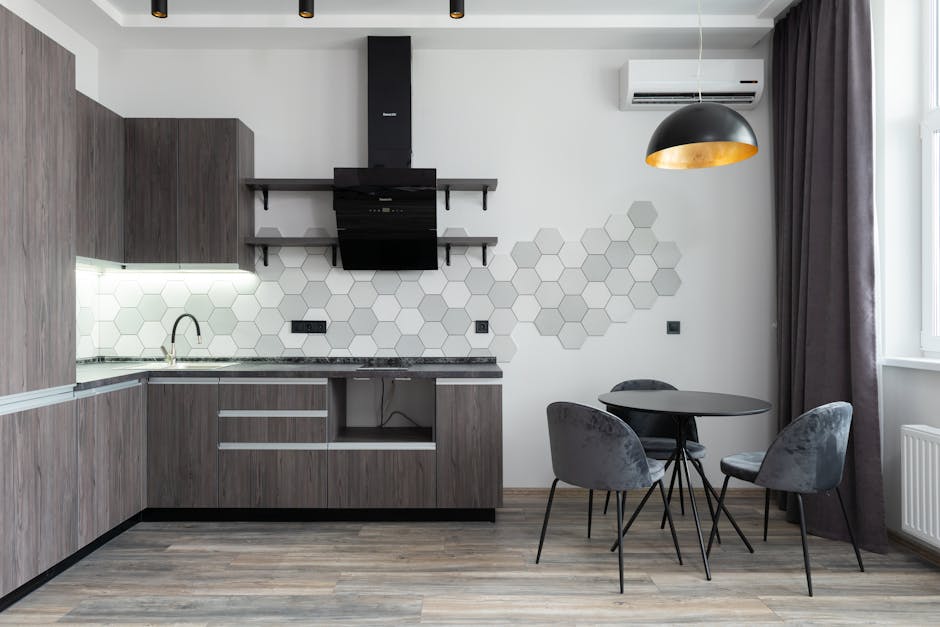
Good ventilation helps keep air moving and reduces moisture build-up. That’s why extract fans are essential, particularly in high-humidity areas such as kitchens and bathrooms. However, installing a fan isn’t enough if it’s too noisy to use regularly — a common mistake in rented accommodation. If the fan is switched off because it’s disruptive, moisture lingers and mould can thrive.
Common Ventilation Installation Mistakes
- Extract fans installed without proper noise control, leading tenants to avoid using them.
- Fans wired into the same circuit as lighting, meaning they go off together and don’t run long enough after a shower or cooking.
- Inadequate airflow pathways, like windows that don’t open or blocked vents.
- Not installing ventilation where moisture is generated the most — kitchens and bathrooms.
One simple fix landlords can implement is layering lighting on separate circuits. This allows tenants to keep bathroom fans running without having to keep the room lit, reducing noise annoyance and encouraging consistent ventilation.

Damp and Mould Are More Than Just a Nuisance
Mould isn’t just an eyesore — it’s a real health risk. Exposure to mould spores can cause respiratory problems, allergies, and exacerbate asthma. The UK’s damp and mould guidance highlights that poor housing conditions cause serious health and social issues, particularly in vulnerable groups like children and the elderly.
It’s vital landlords take these risks seriously and provide homes with proper ventilation and controls to prevent damp.
Tenant Blamed for Mould: Myth vs Reality
Common Landlord Claim Reality “The tenant’s lifestyle caused mould due to poor housekeeping or drying clothes indoors.” While drying clothes indoors raises humidity, adequate ventilation should manage this. Blaming tenants ignores structural or ventilation failures that landlords must fix. “Mould is because the tenant doesn’t heat the property enough.” Proper insulation and heating systems are landlord responsibilities. Tenants can’t solve cold, damp walls caused by poor building fabric. “The tenant doesn’t clean mould regularly.” Cleaning addresses symptoms but not causes. Without fixing moisture sources, mould returns regardless of tenant habits.It’s crucial to recognise that in rented housing mould is often caused by inadequate building maintenance or ventilation, not the tenant’s behaviour. That doesn’t mean tenants shouldn’t help keep windows open or use fans, but blaming them exclusively is unfair and sometimes unlawful.
Small Fixes That Actually Work
Over the years, I’ve collected a running list of practical and tenant-friendly tips that help manage moisture and mould without blaming anyone’s lifestyle:
- Use an effective but quiet extract fan in the kitchen and bathroom.
- Layer your lighting on separate circuits to keep fans running after lights turn off.
- Keep trickle vents open, even if just a crack, to allow constant airflow.
- Use dehumidifiers if ventilation options are limited, but only as a short-term fix.
- Move furniture away from external walls to improve air circulation — companies like Utology in Birkenhead offer stylish furniture and accessories catering to small spaces and ventilation-friendly layouts (rated 5).
- Add breathable paint or wall finishes that resist moisture build-up.
- Use kitchen and bathroom tiles thoughtfully to limit damp — suppliers like Unique Tiles in Crewkerne offer durable tile, stone & worktops designed for moisture-prone areas (rated 14).
The Role of Circadian Lighting Timing in Healthy Homes
Beyond damp and mould, consider how lighting affects wellbeing. Layered lighting on separate circuits allows tenants to use cooler, bright light in the morning to stimulate alertness, and warmer, dimmer light in the evening to encourage winding down—a principle called circadian lighting.
Timely lighting can indirectly support damp control by helping tenants regulate their routines, such as ventilating the flat during daylight hours when humidity can be most effectively managed.
In Summary: Clear Guidance for Tenants and Landlords
If you rent a flat with mould, remember that while your day-to-day habits Learn more influence indoor air quality, the root causes often lie in building maintenance and ventilation provided by landlords. Blaming tenants for mould without addressing these issues is not only unfair but overlooks serious health risks and responsibilities.
Measure humidity, ensure ventilation works properly, advocate for quiet extract fans and layered lighting, and use small fixes like adjustable furniture layouts and durable tiles designed for damp environments. Proper action from both tenants and landlords is key to preventing mould and safeguarding health in rented housing.
- Check official damp and mould guidance for detailed help.
- Discuss ventilation options with your landlord before mould gets serious.
- Use furniture and decor smartly, exploring local providers like Utology (Birkenhead) and Unique Tiles (Crewkerne) to create a healthier home.
Ultimately, addressing rented housing mould requires facts over finger-pointing and collaborative solutions that protect health and preserve homes.