How Do I Plan a Move When I’m Renovating and Need Storage?
Renovations bring the excitement of transforming your home but often come with the logistical headache of moving and storing your belongings temporarily. Whether you're clearing out spaces for construction or protecting valuables from dust and debris, securing reliable storage during renovations is essential. But here’s the catch: planning this move isn’t just about tossing items into a storage unit. It requires careful coordination, local know-how, and smart technology use to avoid common pitfalls.
In this post, I’ll break down how to plan your move and storage during renovations, drawing on local expertise and advanced tools like digital mapping platforms and route optimization software. I’ll also share how trusted moving and storage companies like Southside Moving and Storage can streamline the process. Plus, we'll touch on how insights from sources like GISuser and standards set by the American Society of Civil Engineers (ASCE) influence modern moving strategies.
Why Local Expertise Outperforms Generic GPS in Your Move
One common mistake I see is relying solely on generic GPS apps for route planning and access. It sounds convenient, but here’s the issue: local moving crews and dispatchers bring nuances of their area’s traffic patterns, loading zone restrictions, and parking regulations that off-the-shelf GPS simply can’t capture.
For example, I always ask about parking and elevator reservations first. Without these, a truck can’t get close enough for efficient loading. That’s why choosing a moving and storage company with deep local knowledge — like Southside Moving and Storage — pays off.
They know:
- Residential community rules for moving hours
- Industrial or office building access protocols
- One-way streets, low bridges, or narrow driveways
This on-the-ground insight prevents delays and unexpected costs.
Mastering Route Planning and Traffic-Aware Scheduling
Timing is everything when moving and storing during renovations. Modern move planners use route optimization software — often integrated with digital mapping platforms — to pick the best windows for travel and loading.
Here’s how it works:
- Software analyzes current and historical traffic data
- Routes are adjusted dynamically for construction or closures
- Scheduling syncs with access availability at your pickup and storage locations
For example, Southside Moving and Storage leverages such tools to align crew arrivals with elevator reservation times and loading dock availability. This cuts downtime dramatically.
Here’s the catch: You should ask your moving company about their communication plan around these windows. Vague arrival estimates without real-time updates cause frustration. Transparency keeps your renovation on track.
Digital Inventory and Documentation Reduce Move-Day Mistakes
Moving during renovations is often a multi-step process — removal, storage, and then reinstallation in the finished space. Keeping track of what goes where gets complicated fast.
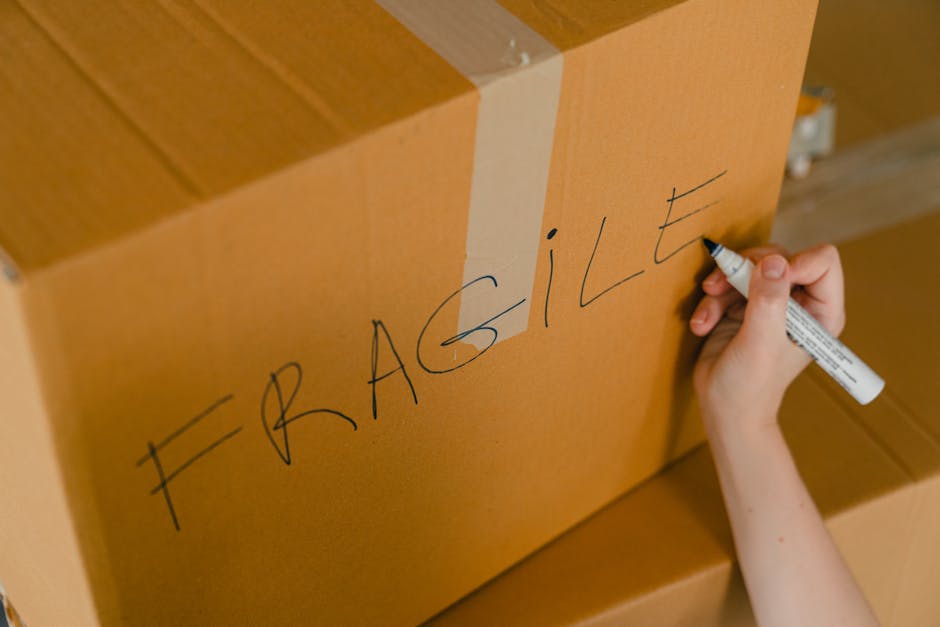

One solution? Digital inventory platforms accessible via smartphone. These tools allow movers and homeowners to:
- Create detailed item logs with descriptions and photos
- Tag boxes with QR codes for quick identification
- Document condition before and after storage to prevent disputes
Such systems reduce lost items and damages. https://gisuser.com/2026/08/southside-moving-and-storage-newport-news-va-preferred-moving-company/ They also save time unpacking once your renovations wrap.
Understanding the Role of Industry Standards and Technology
While most folks focus on furniture and boxes, I find it helpful to look beyond and see how broader engineering and technical standards affect moving and storage.
The American Society of Civil Engineers (ASCE), for instance, develops guidelines affecting construction logistics and site access. Their standards inform how moving companies plan around structural restrictions during a renovation, ensuring safety and compliance.
Meanwhile, tech news sources like GISuser highlight advances in geospatial data and tracking technologies that move the industry forward. Things like digital twins of urban environments and layered mapping systems improve route planning and risk assessments.
Common Mistakes to Avoid: Pricing Transparency and Contact Info
One move-day surprise I always warn about is the absence of clear pricing, rates, or contact numbers in quotes or online content. Not knowing what you’ll pay or who to reach can stall your renovation timeline if issues arise.
Always choose a moving and storage company that offers:
- Clear, upfront pricing on storage duration and move services
- Easy access to phone support during your entire project
- Regular status updates via text or app notifications
Southside Moving and Storage, for example, ensures customers have this transparency from day one, which saves headaches and builds trust.
Checklist for Planning Your Move and Storage During Renovations
Step Action Item Tools / Tips 1 Assess storage needs — size, duration, access Consult with local storage companies like Southside Moving and Storage 2 Confirm parking and elevator arrangements with building management Coordinate scheduling to match reserved time slots 3 Use route optimization software for traffic-aware move planning Request real-time updates from your mover 4 Document items digitally with photos and inventories Tag boxes using QR codes if possible 5 Get detailed, transparent pricing and all contact numbers upfront Avoid surprises by reviewing contracts carefullyFinal Thoughts
Planning a move when you’re renovating and need secure temporary storage is a complex but manageable task. Armed with local moving and storage experts like Southside Moving and Storage, leveraging advanced digital mapping and route software, and understanding engineering standards, you can avoid common move-day surprises and delays.
Remember, transparency and communication are your best tools. Don’t settle for vague estimates or generic GPS directions when your valuable possessions and renovation timeline are at stake.
By taking a smart, technology-informed approach combined with local expertise, you’ll make your renovation move smoother and your temporary storage safe and reliable.